Gambling disorder alters the brain's control and reward systems
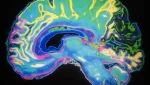
 Research reveals gambling disorder disrupts brain networks controlling self-control and reward, potentially leading to new treatments.
Summary
A new study from the University of Turku in Finland demonstrates a link between gambling disorder and alterations in brain networks responsible for self-control and reward functions. Combining brain imaging techniques, researchers identified disrupted connections between the frontal cortex and subcortical regions, specifically a weakening of connections between the dorsolateral frontal cortex and the nucleus accumbens, which may make it harder to stop gambling. Individuals with gambling disorder also exhibited a stronger brain response to gambling-related cues in the dorsal striatum, similar to those with substance use disorders. These findings, which also revealed structural abnormalities and associations with serotonin and opioid function, suggest potential targets for future treatments, including non-invasive brain stimulation and medications targeting neurotransmitters. The research reinforces the understanding that gambling disorder is a condition linked to changes in brain function and structure, rather than a matter of willpower.
(Source:News-Medical.net)